
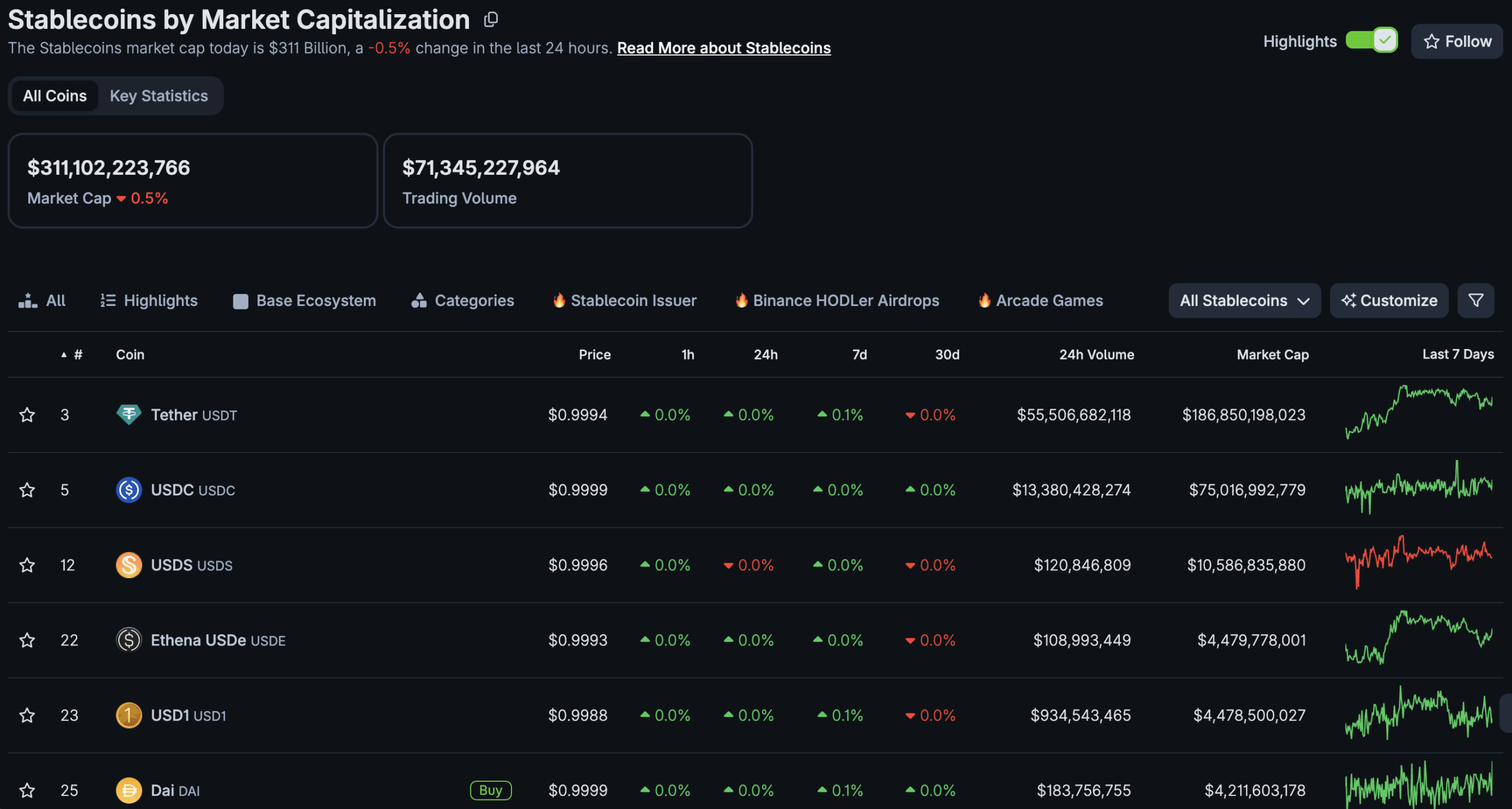
In EU crypto news, within 24 hours of each other, Russia and the European Union each moved to restrict the same class of crypto assets, for completely opposite reasons. Russia’s Deputy Finance Minister Ivan Chebeskov, speaking at the St. Petersburg International Economic Forum on June 9, 2026, announced fees of 0.5–3% on assets classified as Russia-unfriendly crypto, explicitly naming USDT, USDC, and BNB.
The same day, the EU unveiled its proposed 21st sanctions package, the first to give Brussels the legal power to impose a full operational ban on any foreign country’s crypto sector if it is found to be helping Russia evade financial restrictions.
EU moves to ban foreign crypto exchanges that help Russia
The EU is going after Russia's crypto escape routes. Its proposed 21st sanctions package would let Brussels fully ban third-country crypto exchanges that are caught helping Russian entities dodge sanctions, not just… pic.twitter.com/dAqDtua1sD
— BSCN (@BSCNews) June 9, 2026
The EU move builds on its 20th sanctions package, adopted April 23, 2026, which already imposed a blanket prohibition on crypto transactions with any provider established in Russia or Belarus and banned the digital ruble, the RUBx ruble-backed stablecoin, and the A7A5 ruble stablecoin, tools Chainalysis says processed tens of billions in cross-border trade as part of Russia’s purpose-built sanctions evasion infrastructure.
Here is the central tension this article unpacks: two opposing geopolitical powers are clamping down on the same stablecoins for opposite reasons, and ordinary holders caught between those jurisdictions have no control over which enforcement regime catches them first.
EU Crypto News: Stablecoin Geopolitics Explained as Russia and Europe go Head to Head
Stablecoins can be likened to foreign currency in a bank account, but with the risk of government intervention. This is evident in the ongoing “crypto cold war.”
Russia is considering a fee mechanism on certain assets, with a proposed 0.5-2% fee on unfriendly assets and up to 3% on dollar-pegged stablecoins, which would heavily impact USDT transactions used in cross-border trade.
Meanwhile, the EU’s latest sanctions package introduces a new mechanism allowing it to cut off an entire jurisdiction’s crypto sector from EU markets without naming specific entities. This approach reflects regulators’ preference for broad jurisdictional actions over slower, asset-by-asset enforcement.
DISCOVER: Best Meme Coin ICOs to Invest in 2026
The Structural Story: Why Both Moves Happened in the Same 24 Hours
Two narratives explain the recent developments regarding cryptocurrency regulation. The first suggests coordinated pressure, with Russia announcing plans at SPIEF to create domestic alternatives to Western-controlled stablecoins ahead of tightening EU regulations by 2026. The EU’s simultaneous response indicates it is closely monitoring Russian crypto-evasion and adjusting measures accordingly.
The second narrative views both Russia’s and the EU’s actions as independent but rational responses to the risk posed by USDT, USDC, and BNB, all of which are controlled by entities capable of freezing assets. This poses an operational risk for Russian users, prompting Moscow to steer capital towards assets it can control, like the digital ruble.
Chainalysis and TRM Labs indicate that recent sanctions mark a shift in treating cryptocurrency as a primary target for financial sanctions. The new band mechanism could exclude entire national crypto ecosystems from EU liquidity if they are considered conduits for evasion.
EXCLUSIVE: Earn $10 USDC Via Binance Sign-Up
What This Means for Stablecoin Holders Right Now
EU Targets Crypto Networks Accused of Helping Russia Evade Sanctions
Von der Leyen announces possible full third-country ban on crypto asset services as Brussels expands pressure on Moscow’s financial channels. #WashingtonEye pic.twitter.com/sRGgV9orc2
— Washington Eye (@washington_EY) June 9, 2026
Here’s the uncomfortable truth: you do not need to be Russian or European for this to affect you. Jurisdictional fragmentation of stablecoin infrastructure affects liquidity, exchange access, and fees globally. Here is what it means by situation.
1. You hold USDT or USDC on a European exchange. For now, nothing changes. But the EU crypto-ban power introduced in the 21st sanctions package means your exchange’s compliance team is now monitoring which third-country platforms it connects with. If a platform in Central Asia or the Middle East is designated as a Russian evasion conduit, your exchange may cut off EUR pairs or SEPA rails with that platform. Watch for any exchange announcement about counterparty relationship reviews in Q3 2026.
2. You use USDT on a platform based in a grey-zone jurisdiction – Central Asia, parts of the Middle East or Southeast Asia. This is the highest-risk position. The EU sanctions package targets precisely these jurisdictions. An earlier package already sanctioned a Kyrgyz issuer and a Kyrgyz crypto platform connected to the A7A5 stablecoin. If your platform is in a jurisdiction under EU scrutiny, service disruption could come with very little warning. The concrete watch item: check whether your platform has received MiCA registration or any EU regulatory acknowledgment.
3. You are a Russian retail user holding USDT. The new Duma bill restricts non-qualified investors to BTC, ETH, and USDT only as of July 1, 2026, and then imposes fees on USDT as an unfriendly asset. You face a narrowing product set with rising costs. Watch for the bill’s second reading date and any Bank of Russia guidance on the fee implementation timeline. As our piece on stablecoin wallet freezes and exchange delistings shows, the risk of sudden loss of access is real when political pressure meets issuer compliance obligations.
4. You are considering moving stablecoins across jurisdictions. Cross-border stablecoin transfers are now a compliance event, not just a technical one. KYC and AML scrutiny at major exchanges is tightening. Prefer MiCA-compliant, regulated platforms and avoid routing through jurisdictions currently under review for EU sanctions.
EXPLORE: Best Crypto Presales With Asymmetric Upside in the Current Market
The post EU Crypto News: The Crypto Cold War Is Here Between EU and Russia appeared first on 99Bitcoins.
