
Key Takeaways
- Del Oro dumped 12,000 tons of orange peels in 1997, turning barren land into forest.
- Timothy Treuer found tree biomass jumped 176% by 2013, showing waste can restore ecosystems.
- Costa Rica’s Supreme Court fight shows future projects need strict safeguards and legal approval.
In 1997, ecologists Daniel Janzen and Winnie Hallwachs struck a deal with juice maker Del Oro to dump 12,000 tonnes of orange peels on worn-out land in Costa Rica’s Guanacaste Conservation Area. What looked like sloppy waste disposal quickly turned into a courtroom brawl after rival company TicoFruit pushed the fight to Costa Rica’s Supreme Court, freezing the experiment for years. When researcher Timothy Treuer went back in 2013, he found the “disaster” site had flipped into a thriving patch of forest, with tree biomass up 176%. It is a messy, oddly compelling data point for the circular economy, and a reminder that recycling at ecosystem scale still comes with real rules and real risks.
A climate-tech lesson hiding in a pile of fruit waste
Every week, I see founders pitch “circular economy” with polished decks and carbon math. But one of the clearest case studies started with dirt, trucks, and a lot of skepticism. Back in 1997, ecologists tried something that sounded more like a dare than a grant proposal, using orange-processing leftovers to heal exhausted land in Costa Rica.
A daring bet: trade land for peels
The experiment came from Daniel Janzen and Winnie Hallwachs, who partnered with juice company Del Oro inside the Guanacaste Conservation Area. Del Oro agreed to donate land to the park, and in return it could unload citrus waste on a nearby degraded pasture that wasn’t recovering on its own.
Over roughly a year, about 1,000 trucks dumped 12,000 tons of orange peels and pulp across 3 hectares of nearly sterile ground. The idea was straightforward: let biology do the composting at scale, then see whether soil and vegetation could rebound without an expensive tree-planting campaign.
Courts, competitors, and 15 years of silence
Not everyone saw a scrappy climate solution. A rival company, TicoFruit, challenged the project, raising pollution and competitive concerns. The dispute reached Costa Rica’s Supreme Court, which halted the experiment, and the site was left alone.
For about 15 years, it sat as a kind of cautionary tale. No dashboards. No quarterly updates. Just a patch of land most people assumed would stay scarred, or worse, become proof that “industrial composting in nature” is a nice slogan and a bad plan.
Rediscovered in 2013, and the numbers were hard to ignore
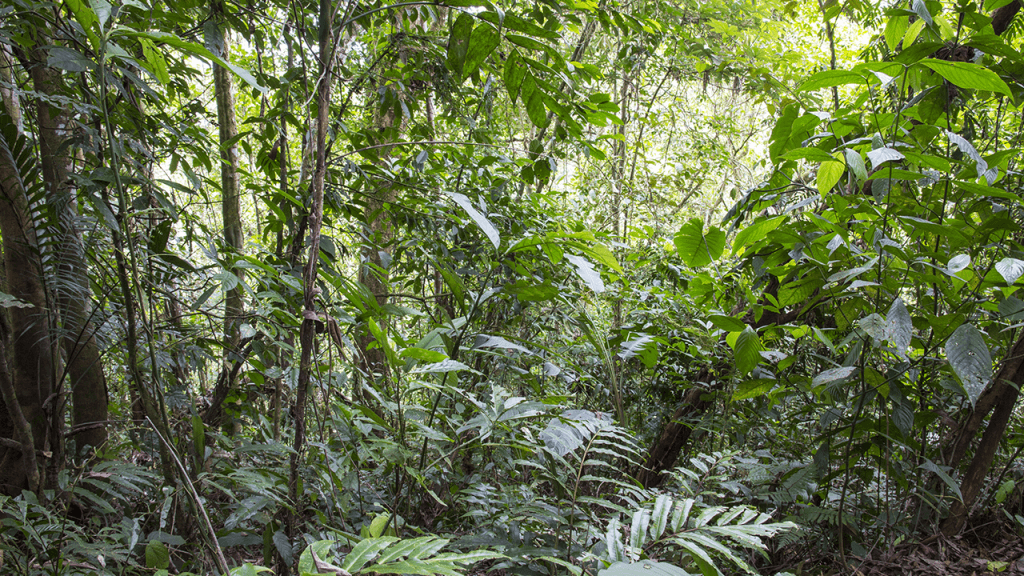
Then, in 2013, researcher Timothy Treuer went back looking for the “desert.” He struggled to find it because the landscape had changed so completely. What had been exposed rock and dry grass had turned into thick forest, enough that a roadside sign marking the plot had effectively vanished under growth.
Follow-up analysis found tree biomass was up 176% compared with a nearby control area that never received peels. Researchers pointed to a double effect: nutrients from the decomposed citrus boosted the soil quickly, while the thick organic layer appeared to suppress invasive grasses that can choke out young trees.
What US builders can take from this, without copying it blindly
For American climate-tech and ag-tech teams, the takeaway is not “dump waste anywhere.” It’s that organic byproducts can sometimes act like an on-site soil amendment, if the ecology and safeguards are right. This is the case for projects now being explored around composting, regenerative agriculture, and even carbon accounting tied to verified land restoration.
The caution matters, too. Site-specific monitoring, contamination checks, and clear legal permission are the difference between restoration and a mess. Still, it’s striking that one of the most persuasive circular-economy results didn’t come from a lab. It came from 12,000 tons of peels left to do their quiet work.
